

AI Cameras: Transforming Visual Intelligence in Every Industry
What Are AI Cameras
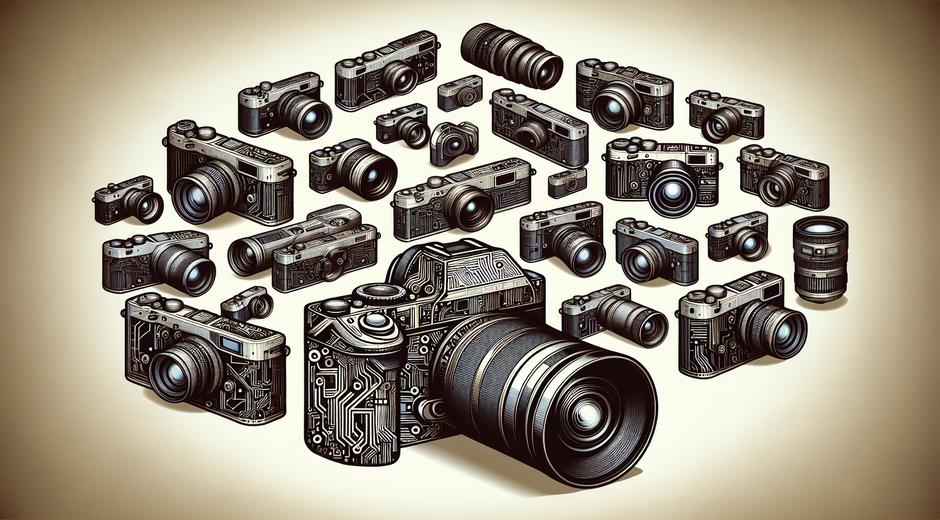
AI Cameras are advanced imaging devices that combine optics sensors and onboard processing to interpret visual data with the help of machine learning models. Unlike traditional cameras that simply record images video or still frames AI Cameras analyze scenes in real time to detect objects classify actions and trigger intelligent responses. This shift from passive capture to active perception is enabling smarter security systems better retail analytics and safer mobility solutions across many markets.
How AI Cameras Work
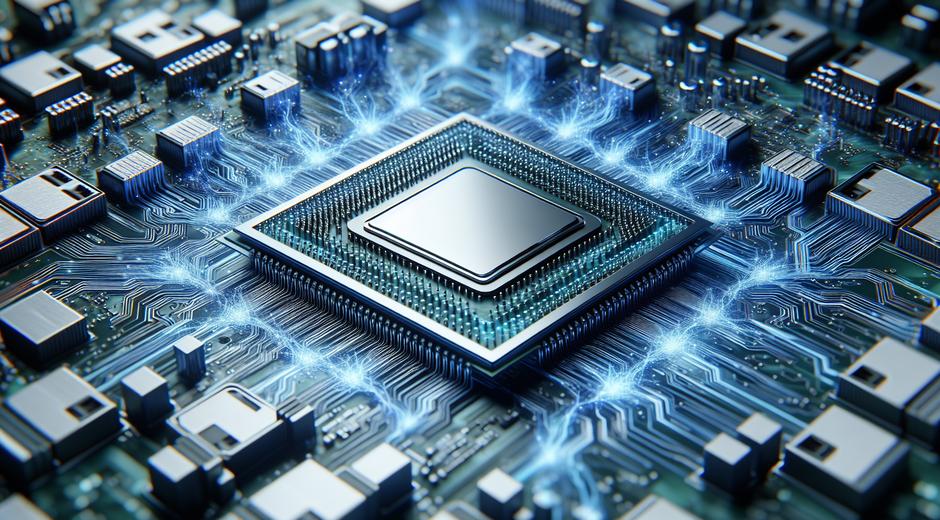
At the core of any AI Camera are three layers. The first layer is the lens and sensor array that capture light and convert it into raw electronic signals. The second layer is the compute module that prepares that raw data for analysis by performing tasks like noise reduction and image enhancement. The third layer is the AI model itself which runs computer vision algorithms to extract meaning from pixels. These models can recognize faces detect gestures read license plates or spot unusual events. Many systems use edge compute to run models locally to reduce latency and to protect privacy by keeping data on device.
Key Features That Define Modern AI Cameras
AI Cameras come with a mix of features that make them useful for specific tasks. Common capabilities include person detection and tracking vehicle recognition behavior analysis and event notification. Night vision and wide dynamic range ensure reliable performance in tough lighting. Some units support onboard storage and secure transmission to cloud services for long term analytics. Integration with other systems such as access control or alarm platforms makes these cameras part of a larger intelligent ecosystem.
Top Applications of AI Cameras
AI Cameras are not limited to one domain. They are reshaping many fields including the following examples.
1. Smart Security and Surveillance
AI Cameras can reduce false alarms by distinguishing between a human intruder and an animal or swaying tree. They can send actionable alerts to operators and provide indexed clips for fast review.
2. Retail Analytics
Retailers use AI Cameras to measure foot traffic track shelf interactions and analyze shopper behavior. This helps in optimizing store layout and improving conversion rates.
3. Manufacturing and Quality Control
In factories AI Cameras inspect products on assembly lines to detect defects at high speed. This improves yield and reduces waste.
4. Traffic Management and Road Safety
Traffic authorities deploy AI Cameras to monitor congestion detect incidents and enforce rules. Automotive OEMs and suppliers use similar vision modules for advanced driver assistance features that enhance safety.
5. Smart Cities and Public Spaces
City planners use AI Cameras for crowd counting monitoring infrastructure and managing resources more efficiently. Real time data enables faster emergency response and better urban planning.
Benefits of Deploying AI Cameras
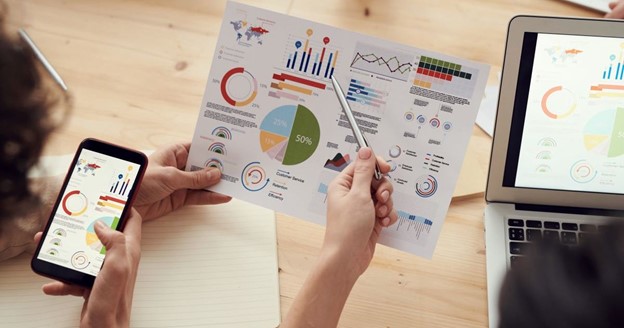
The benefits are clear. AI Cameras reduce manual monitoring costs and improve detection accuracy. They enable predictive insights by transforming image data into actionable metrics. When deployed at scale they unlock new business models such as automated checkout computer vision based analytics and proactive maintenance. For organizations focused on digital transformation AI Cameras are a pragmatic example of how AI can augment human capability and improve operational outcomes.
Privacy and Ethical Considerations
As images and video can be sensitive data privacy must be a priority. Best practice includes anonymizing faces when not required applying strict data retention policies and using on device processing to limit unnecessary data transfer. Transparent signage and clear user consent help build trust. Many vendors now offer privacy preserving features such as masking zones and selective recording to comply with legal requirements and social expectations.
How to Choose the Right AI Camera for Your Needs
Selecting the right model depends on use case environment and integration needs. Consider the following aspects.
1. Model Accuracy and Training Data
Look for cameras that use models trained on diverse datasets relevant to your environment. Accuracy is critical for reducing false positives and missed events.
2. Edge Compute vs Cloud Processing
Edge processing reduces latency and bandwidth use while cloud processing can offer more complex analytics and easier updates. Evaluate which approach aligns with your privacy and performance requirements.
3. Integration and APIs
Choose cameras that offer standard protocols and APIs for seamless integration with existing systems such as building management or analytics platforms.
4. Durability and Environmental Resistance
For outdoor deployments check weather resistance and temperature range ratings to ensure reliability.
5. Vendor Support and Update Policy
Regular firmware updates and responsive support are essential to maintain security and to benefit from new AI improvements.
For general tech trends and in depth reviews across categories you can visit techtazz.com for updated guides buying tips and comparisons.
Emerging Trends in AI Camera Technology
The AI Camera landscape evolves quickly. Key trends to watch include improved model efficiency that allows richer analytics on low power devices, multispectral sensing that adds depth or thermal data for robust detection, and federated learning approaches that enable model improvement without centralizing raw data. Another important area is the rise of modular vision systems that allow enterprises to mix and match optics sensors and compute modules to solve specific problems cost effectively.
AI Cameras in Automotive Use Cases
The automotive sector is one of the fastest adopters of AI Cameras. These systems power driver assist features and enable new capabilities such as cabin monitoring and pedestrian detection. Camera based perception often works alongside radar and lidar to create redundant safety layers. For companies exploring automotive camera solutions and industry specific insights you can review resources at AutoShiftWise.com which covers vehicle tech deployment trends component selection and vendor comparisons.
Installation and Maintenance Best Practice
To maximize uptime and performance follow installation best practice. Position cameras with clear lines of sight and consider mounting height to optimize detection range. Avoid pointing cameras directly into bright lights to reduce glare. Schedule regular firmware updates and perform periodic calibration checks to ensure models remain accurate as the scene changes over time. Keep logs of events and use analytics to identify performance drift which may indicate the need for retraining or repositioning.
Cost Considerations and Return on Investment
Initial costs for AI Camera systems can vary widely based on sensor quality compute capability and software licensing. However ROI often comes from labor savings improved loss prevention better process control and data driven decision making. When evaluating total cost consider recurring costs such as cloud fees for storage or advanced analytics and support contracts for critical deployments. Pilot projects help validate assumptions and establish measurable KPIs before large scale rollout.
Future Outlook
AI Cameras will continue to get smarter more efficient and more affordable. Advances in model compression and hardware acceleration will enable sophisticated vision tasks in small edge devices. Greater interoperability and standardization will simplify integration across platforms. As privacy preserving methods mature we can expect broader acceptance and wider adoption in public and private spaces. The combination of better sensors smarter models and scalable cloud services will unlock new use cases and drive significant productivity gains across industries.
Conclusion
AI Cameras represent a major step in the evolution of visual technology. By turning pixels into insights they empower organizations to operate more safely efficiently and intelligently. Whether you are exploring AI Cameras for security retail manufacturing or mobility understanding the core capabilities trade offs and best practice will help you choose the right solution. For ongoing coverage of camera tech applications and expert reviews visit our main site and industry partners to stay informed and make data driven choices.