

on device ai The Shift to Smart Local Intelligence
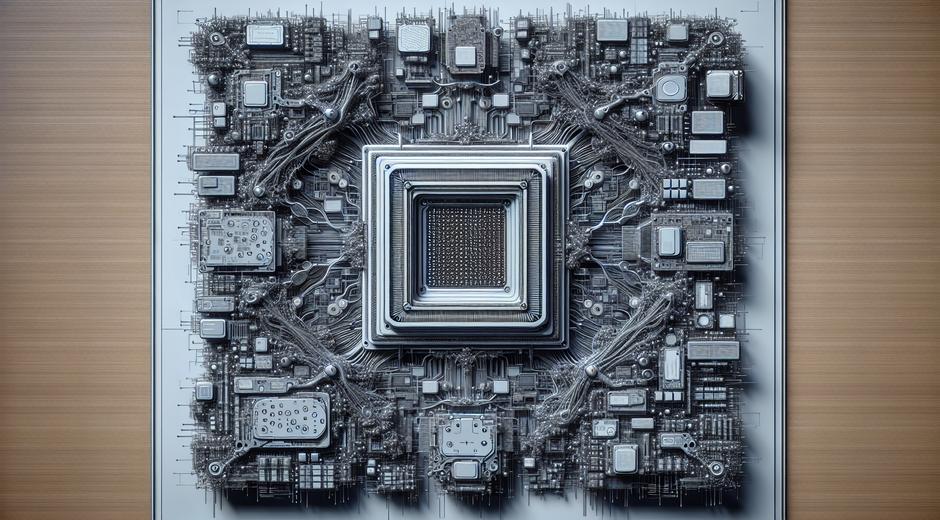
The phrase on device ai captures a major shift in how computing power is used to deliver intelligent features. Instead of sending data to remote servers for analysis, devices now process data locally using ai models that run on the device hardware itself. This change brings stronger privacy control, reduced latency, and new possibilities for personalization. In this article we explore what on device ai means for consumers and developers, how it works in practice, and why it is poised to reshape mobile apps, wearable tech, and smart home devices.
What on device ai Means in Practical Terms
At its core on device ai means that data stays close to the source. Cameras can analyze video frames without streaming them to the cloud. Voice recognition can be handled locally so queries are processed without transferring audio. Sensors on wearable devices can detect health signals and run models on the device to produce alerts in real time. These capabilities are enabled by compact ai models, optimized runtimes, and hardware accelerators found in modern chips.
Key advantages include privacy by design because raw data need not leave the device. Users gain faster responses since there is no network delay. Devices can function even when offline or when network quality is poor. For developers the model packaging and optimization process is different from cloud only approaches but offers the benefit of immediate feedback and lower operational cost for cloud infrastructure.
Core Technologies Behind on device ai
Several technical advances make on device ai feasible. First, model compression and quantization allow neural networks to run within limited memory and compute budgets. Second, hardware acceleration such as dedicated ai engines on modern processors speeds inference while minimizing power use. Third, efficient runtimes and tools enable deployment across diverse platforms so a single model can run on a phone, a smartwatch, or an embedded camera module.
Developers rely on toolchains that convert common ai frameworks into optimized packages for devices. These toolchains add support for performance tuning and battery aware execution. Combined with strategies for incremental updates and federated learning there is a clear path toward continual improvement of models while keeping user data private.
Use Cases That Benefit Most from Local Intelligence
Many applications gain direct value from on device ai. Camera apps use it for scene detection and portrait effects. Audio assistants perform wake word detection and local command parsing for fast offline control. Health tracking sensors detect irregular patterns and generate alerts without sending raw sensor streams. Security and biometric features such as face unlock or voice match become more private because biometric templates can remain on the device.
Retail and industrial use cases also benefit. For example smart cameras at a store can run people flow analysis locally and only send aggregated signals to central systems. In factories edge devices can monitor equipment and trigger local safety mechanisms when anomalies are detected. The common theme is that local processing reduces reliance on the network and keeps mission critical tasks functional in real time.
Design Patterns for Building On Device AI Experiences
When designing for on device ai it is important to balance model complexity with hardware capabilities. A common pattern begins with a compact model for on device inference that handles the bulk of routine tasks. For more complex analysis or heavy retraining the system can fall back to cloud resources when network access is available. This hybrid approach preserves privacy and responsiveness for everyday tasks while allowing advanced capabilities through optional cloud assistance.
Another pattern emphasizes progressive enhancement. The device can offer core features offline and unlock enhanced features when online. For instance a camera app may do basic object detection locally and request cloud processing for higher fidelity results only when the user opts in. This ensures a consistent baseline experience across network conditions while giving users control over when data is shared.
Privacy and Security Considerations
Privacy is a major driver for on device ai adoption. By keeping data local developers reduce exposure of sensitive information and can provide clearer assurances to users. However local processing does not eliminate all risk. Secure storage of model artifacts and local data must be enforced. Features such as hardware backed key storage and secure enclaves help protect sensitive assets and prevent model theft or tampering.
Transparent communication about what data is processed on device and what, if anything, is sent to servers builds trust. Providing settings to manage local models and data retention gives users meaningful control. When cloud interactions occur the system should use strong encryption and follow best practices for data minimization.
Performance and Battery Impact
One common concern is whether on device ai will drain battery or slow down the device. The truth is that well optimized local models can be more energy efficient than constant cloud communication. Network connections consume power and increase latency. By reducing the need for constant uploads and downloads, on device ai can conserve energy for many use cases.
Still developers must be mindful of resource use. Techniques such as batching inference tasks, operating during idle cycles, and offloading heavy computation to specialized accelerators help maintain a responsive user experience. Tooling for profiling and telemetry is essential to identify bottlenecks and tune models for the target hardware.
Tools and Ecosystem for Developers
The ecosystem for on device ai is growing rapidly. Frameworks and SDKs provide model conversion tools, quantization utilities, and runtime libraries. Device vendors often provide optimized kernels and acceleration libraries for their chips. Open source projects and community driven models also play a role in lowering the barrier for entry.
Developers should invest time in learning device profiling tools and model optimization techniques. Testing across a range of hardware profiles is critical since performance can vary widely. Community resources and platform documentation help accelerate development. For broader coverage of device oriented trends and news visit techtazz.com which tracks developments across consumer and developer topics.
Real World Adoption and Roadmap
Major device makers and chip designers are investing heavily in local ai capabilities. New hardware generations include more efficient ai engines and improved power management. Software toolchains now support seamless conversion from popular ai frameworks into device ready packages. As a result we expect on device ai to appear in more everyday products from cameras to appliances.
For families and caregivers the rise of local intelligence opens new possibilities for safe and private monitoring. Resources that bridge technology and family life can be useful for learning how to adopt smart features safely. For example curated advice on balancing device use and privacy can be found at CoolParentingTips.com which offers practical guidance for everyday tech choices.
Challenges and Future Directions
Challenges remain. Model maintenance and updates must be handled carefully to avoid fragmentation. Ensuring fairness and reducing bias in compact models requires thoughtful data strategies. Interoperability across diverse hardware platforms is an ongoing concern. Finally, tools for secure model update and rollback are essential to maintain reliability over the product life cycle.
Looking ahead we will see more automated pipelines for producing device friendly models, better frameworks for federated learning, and improved developer tools for testing and validation. As the ecosystem matures consumers will benefit from smarter devices that respect privacy and deliver fast, personalized experiences.
Conclusion
on device ai is a pivotal trend that brings intelligence to the place where data is created. By enabling local processing, it improves privacy, reduces latency, and enables robust offline experiences. For developers it offers new design patterns and optimization challenges. For users it promises more responsive and private interactions with their devices. As hardware and software continue to evolve the impact of on device ai will expand across industries and daily life. Stay informed and experiment carefully to unlock the benefits of local intelligence while protecting user trust.