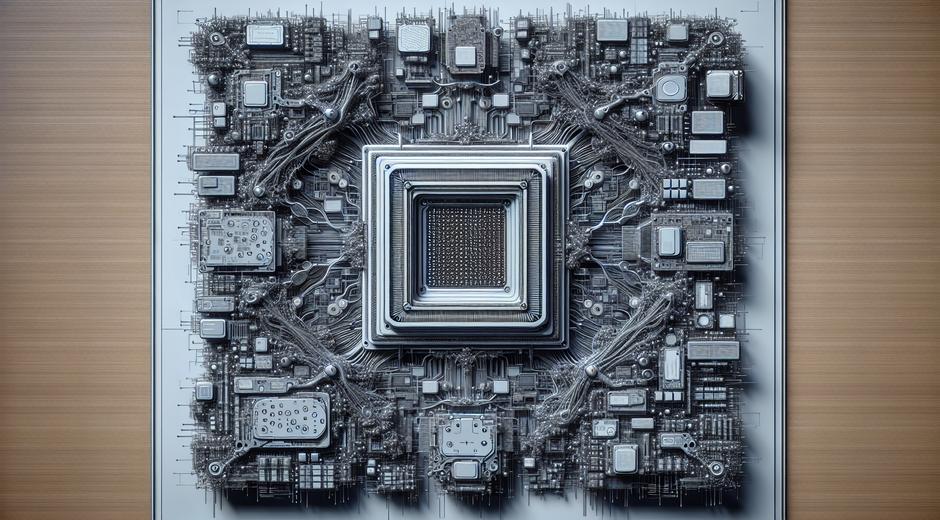


What Is a Neural Processing Unit and Why It Matters for the Future of AI
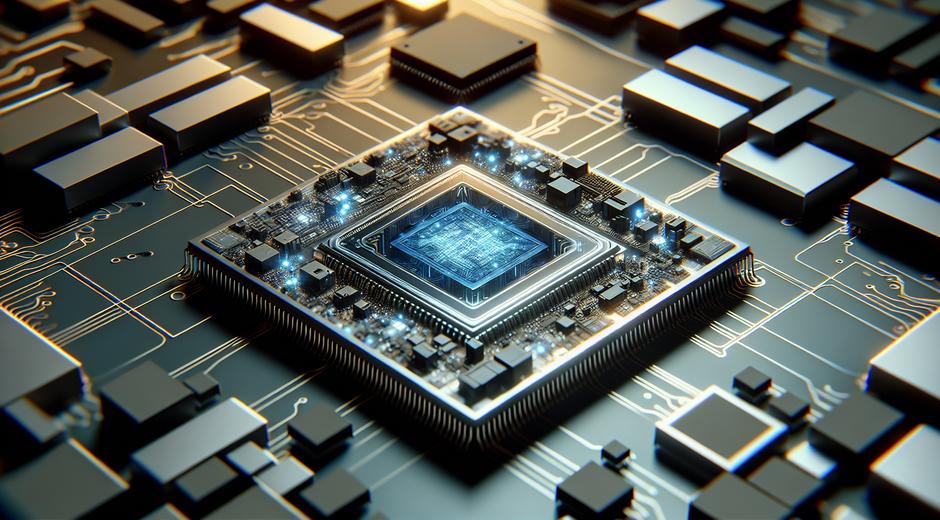
The term neural processing unit has become central to conversations about modern computing that supports artificial intelligence. A neural processing unit is a specialized chip designed to accelerate the mathematical operations that power neural networks. Unlike traditional central processing units that handle a wide range of tasks or graphics processing units that excel at parallel floating point work, a neural processing unit is built for the unique demands of machine learning models. This article will explain how these chips work, where they shine, how they differ from other processors, and what that means for developers, device makers, and everyday users.
Core Concepts Behind a Neural Processing Unit
A neural processing unit optimizes the core operations used in deep learning such as matrix multiply and accumulate, convolution, activation functions, and tensor transformations. The hardware often uses many small compute units working in parallel together with on chip memory and efficient data movement paths to reduce latency and energy use. Memory bandwidth and low latency matter more than raw clock speed because neural networks move large volumes of data across layers in predictable patterns. As a result a neural processing unit typically contains special accelerators for common layers and supports reduced numeric precision formats to boost throughput while keeping accuracy within acceptable limits.
How a Neural Processing Unit Differs from CPU and GPU
When comparing a neural processing unit to a central processing unit the distinctions are clear. A central unit is a generalist that offers flexibility for many workloads. A neural processing unit is a specialist that trades flexibility for efficiency and speed on machine learning tasks. Compared to a graphics processor a neural processing unit is even more tailored. GPUs have long been used for neural network training and inference because they offer massive parallelism. A neural processing unit brings additional optimizations such as near memory compute smaller numeric formats and hardware support for common neural primitives. These choices lead to better performance per watt which is critical for battery powered devices and data center cost control.
Key Benefits of Using a Neural Processing Unit
Adopting a neural processing unit delivers several important advantages. First it enables low latency inference so that intelligent features respond instantly on device. This improvement unlocks experiences such as more natural voice assistants smarter camera features and enhanced security that do not need to send data to a server. Second energy efficiency is substantially improved which allows advanced AI workload to run on mobile devices without draining the battery quickly. Third a neural processing unit can reduce operational cost in cloud environments by handling inference for many users with less power and fewer servers. Finally data privacy improves when models run locally on a device because user data does not need to be transmitted to a central server.
Common Use Cases for Neural Processing Unit
Neural processing unit technology appears in a wide range of products. Smartphones use these chips to deliver features like real time translation scene recognition and computational photography. Smart cameras and home devices use them to do person detection gesture recognition and noise suppression. In automotive systems a neural processing unit supports driver assistance and sensor fusion for safer operation. Industrial sensors and robots rely on these chips for anomaly detection predictive maintenance and autonomous operation. Even travel related apps on mobile devices use the machine learning on board to personalize itineraries detect points of interest and enhance image quality for memories of a trip when connectivity is limited. For readers planning a journey and looking for travel tips a useful resource is TripBeyondTravel.com which offers curated travel content that pairs well with intelligent mobile features powered by a neural processing unit.
Design Considerations for Engineers
Engineers designing neural processing unit solutions must balance throughput latency power area and programmability. Selecting the right numeric precision for a model can reduce memory and compute cost while keeping accuracy high. On chip memory design and data reuse strategies minimize costly off chip transfers. The interconnect must support high bandwidth to feed many compute units without stalls. Software support is equally important. Toolchains frameworks and model compilers that translate neural network descriptions into efficient hardware code determine how easy it is to deploy models. By focusing on both hardware and software design teams can deliver a robust platform for developers and product teams.
Implications for App Developers and Product Teams
For application developers a neural processing unit changes how models are deployed. Developers must consider model size quantization and pruning to fit the constraints of on device hardware. Profiling tools and hardware aware optimizations can deliver large gains. Product teams should weigh which tasks belong on device and which belong in the cloud. Real time interactions and privacy sensitive features are best run on device using a neural processing unit while heavy model training remains in the cloud. Embracing this split can improve user experience and reduce operational costs.
Choosing Devices with the Right Neural Processing Unit
When selecting devices or components the critical metrics to compare include operations per second per watt memory bandwidth latency and software ecosystem. A chip with excellent supported libraries and model converter tools will save development time. For mobile device buyers the presence of a neural processing unit often translates into improved camera results and faster voice features. Tech researchers and enthusiasts can find detailed articles testing various devices and chips on specialized sites and on technology review platforms that analyze raw performance and real world impact. For ongoing technology insights and news about innovation in hardware and software readers can visit techtazz.com which covers the latest trends affecting developers device makers and consumers.
Challenges and Limitations to Watch
Despite many benefits there are challenges. Model portability across different neural processing unit architectures can be difficult without standard tooling and intermediate formats. Benchmarks may favor certain types of workloads and not reflect real world mixed tasks. Security and trust are also important because specialized hardware needs secure boot and trusted execution environments when running sensitive models. Finally rapid evolution in model architectures and numerical methods means hardware designers must plan for flexibility so their chips stay relevant as inference patterns change.
The Road Ahead for Neural Processing Unit Technology
The future of the neural processing unit looks promising. Advances in chip design will push energy efficiency further enabling new classes of intelligent devices. Software frameworks will continue to improve support for model compression and hardware acceleration making deployment easier. As more everyday devices include these chips the expectation of intelligent immediacy will grow. This shift will change how developers build apps and how users interact with technology creating smarter healthier and more private experiences.
Practical Tips for Getting Started
If you are a developer or product manager exploring neural processing unit capabilities start by profiling your model to find compute hotspots. Experiment with quantization and model pruning to reduce resource needs. Use available toolchains for target hardware and test on real devices to measure end to end performance and power. Keep models modular so components can move between device and cloud as needed. Follow industry coverage to learn about new chips and software updates and check trusted tech news hubs for tutorials benchmarks and device roundups.
Conclusion
A neural processing unit is a foundational piece of modern AI infrastructure that enables fast efficient and private inference on device. From smartphones to sensors to automotive systems these chips are reshaping how intelligent features are delivered. By understanding their strengths and limitations teams can make informed choices about deployment architecture optimization strategies and device selection. Stay informed by following technology coverage on trusted sites and test real world scenarios to ensure your choice of hardware delivers the user experience you aim for.