

Spatial Computing Explained: How the Physical World and Digital Layers Merge
Spatial computing is reshaping how we perceive and interact with technology. It moves beyond traditional screen based experiences to create interactions that understand physical space and human context. By combining sensors, cameras, machine intelligence, and spatial mapping the technology enables digital content to coexist with the real world in meaningful ways. This article explores what spatial computing is how it works where it is already changing industries and what to expect next.
What Spatial Computing Means
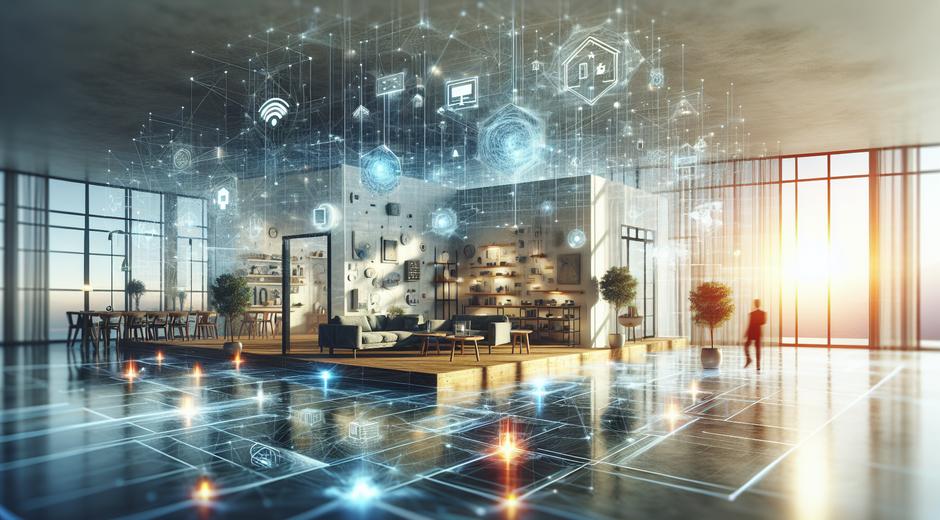
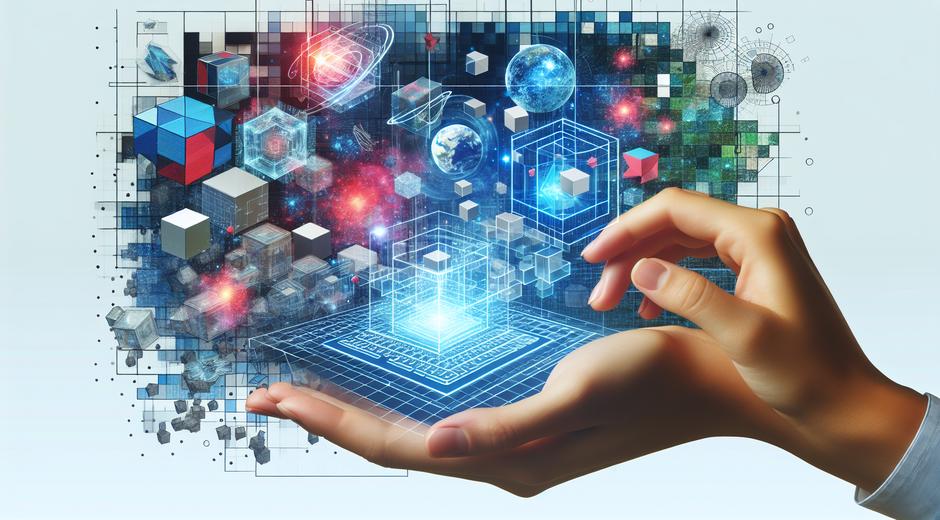
At its core spatial computing is the set of technologies that allow computers to sense reason and act within three dimensional space. Instead of asking users to adapt to flat menus and icons the system adapts to the environment and the user. That includes recognizing surfaces tracking movement anchoring digital objects to real world coordinates and understanding natural gestures and speech. The result is a seamless mix of physical and virtual elements that feel intuitive and useful.
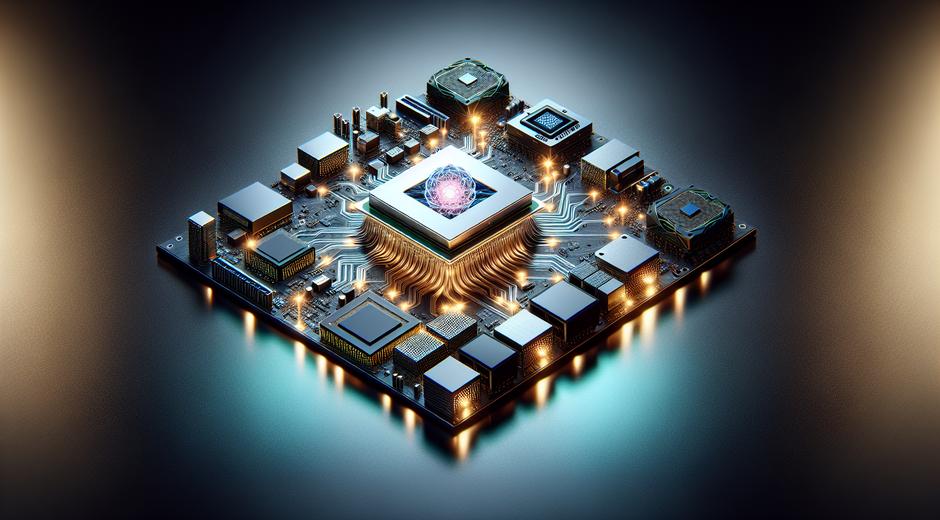
Key components include sensors that capture depth and motion machine intelligence that interprets that data and rendering systems that place virtual content into the user view. When these parts work together the experience can be immersive such as when a virtual tool overlays a workbench or subtle such as when contextual information appears near a real world object.
Core Technologies Behind Spatial Computing
Spatial computing sits at the intersection of several mature and emerging technology areas. Understanding these building blocks clarifies what drives the field.
– Computer vision converts camera data into meaningful spatial information by detecting objects surfaces and human poses.
– Depth sensing from LiDAR time of flight and structured light gives precise distance measurements so virtual objects can interact with geometry.
– Simultaneous localization and mapping or SLAM creates a map of the environment while tracking device position within that map.
– Machine learning powers recognition prediction and natural interaction so the system understands intent and adapts.
– Rendering and spatial audio place visuals and sound in coordinates that match real world locations for convincing experiences.
– Connectivity from local mesh networks to 5G and edge computing reduces latency and enables real time collaboration across distances.
Together these elements allow developers to build experiences where digital content is anchored to objects planes or even moving people.
Practical Use Cases Across Industries
Spatial computing is already proving its value in real world scenarios. Here are some areas seeing strong adoption and measurable impact.
Enterprise and manufacturing
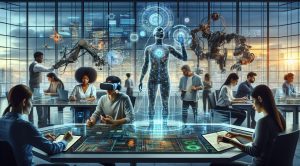
Factories use spatial computing for remote assistance training and maintenance. A technician wearing a spatial headset can see guided overlays while an expert in another location marks up the view. That reduces errors speeds repairs and lowers travel costs.
Healthcare
Doctors can visualize patient imagery directly over the body during planning and procedures. Medical education benefits from three dimensional anatomy simulations that students can interact with in real time.
Retail and commerce
Virtual try on experiences let shoppers position products on their person or in their homes ensuring fit and scale before purchase. Retailers that integrate spatial experiences increase engagement and reduce returns.
Education and training
Immersive scenarios provide safe realistic practice for complex tasks from emergency response to technical skills. Learners can rehearse in context with performance tracked for feedback.
Architecture and real estate
Designers and clients can walk through full scale virtual models placed on site to assess form function and fit. That speeds decision making and reduces costly redesigns.
Entertainment and media
Creators use spatial computing to craft interactive stories where audience choices influence the environment. Live events integrate digital content into physical venues for richer experiences.
The practical payoff is productivity gains improved learning outcomes and novel customer engagement that drives revenue.
Design Principles for Great Spatial Experiences
Designers building for spatial computing must rethink assumptions from screen based design. The most effective experiences follow several guiding principles.
Clarity of context
The system should respect user focus and provide relevant information tied to objects or tasks in view. Avoid cluttering the scene with unnecessary elements.
Comfort and ergonomics
Interactions should be natural and require minimal physical strain. Use gestures voice and gaze in ways that match how people naturally behave.
Anchoring and permanence
Virtual objects must stay reliably placed relative to the environment. Consistent anchoring builds trust and supports multi session workflows.
Feedback and affordance
Users need clear feedback for actions with visual audio or haptic cues. Affordances should communicate how to manipulate or interact with items.
Privacy and consent
Because spatial computing often involves cameras and location data designers must build in privacy controls transparency and secure data management.
Following these principles results in user friendly spatial applications that people adopt and return to.
Challenges and Barriers to Wider Adoption
Despite strong momentum several challenges remain on the path to mainstream use.
Hardware limitations
Headset comfort field of view battery life and cost influence how widely devices are adopted. Improvements will expand use cases to longer sessions and broader audiences.
Standards and interoperability
A fragmented ecosystem of platforms and file formats makes sharing spatial assets difficult. Industry collaboration on open standards will accelerate innovation and lower friction.
Privacy and ethics
Continuous sensing of environments raises questions around consent data ownership and misuse. Clear regulation and built in privacy preserving techniques are necessary.
Developer tools and skill gaps
Creating compelling spatial experiences requires new skills and tools. Better authoring platforms and education will grow the pool of capable developers.
Connectivity and latency
High quality multi user spatial experiences often rely on low latency connections. Widespread access to fast networks and edge compute will unlock new forms of collaboration.
Addressing these barriers requires parallel progress in hardware software policy and human centered design.
Future Trends to Watch
The trajectory of spatial computing points to a more connected intuitive and persistent spatial web. Key trends that will shape the next phase include:
Edge compute and 5G
Processing more data closer to the device will reduce latency and enable high fidelity real time experiences for mobile users.
Digital twins and simulation
High fidelity digital twins of physical assets will let organizations simulate scenarios optimize operations and run training at scale.
Spatial AI
AI models specifically trained for three dimensional perception and reasoning will make interactions smarter and contextual understanding deeper.
Cross device continuity
Seamless movement of spatial content across headsets phones and mixed reality displays will allow flexible workflows and broader reach.
Commerce and advertising reimagined
Brands will deliver contextual product experiences within physical spaces making discovery more relevant and immersive.
As these trends converge spatial computing will become an integral layer in how we work learn and shop.
How to Begin with Spatial Computing
For companies and creators ready to experiment there are practical first steps.
Start with a focused problem
Pick a specific task where spatial context can remove friction or add clear value such as assembly guidance or on site visualization.
Prototype fast with existing toolkits
Use available SDKs and sample assets to build quick prototypes that validate assumptions with real users.
Measure outcomes
Track productivity quality engagement and satisfaction to quantify impact and refine the approach.
Partner and learn
Collaborate with specialists and share findings with a community to accelerate progress.
If you want deep guides and up to date coverage of spatial computing trends tools and case studies visit techtazz.com for expert driven content and tutorials. For brands exploring immersive product experiences an example partner that showcases virtual try on and beauty tech integration is available at BeautyUpNest.com which highlights how spatial interfaces can boost customer confidence and sales.
Conclusion
Spatial computing is not a single product but a new paradigm that blends physical reality with digital intelligence. It has the potential to transform industries improve human performance and create richer consumer experiences. The pace of innovation will be driven by advances in sensors machine intelligence connectivity and design thinking. Organizations that begin exploring spatial computing now will gain a competitive advantage as the technology becomes mainstream.
By focusing on clear use cases employing human centered design and addressing privacy and interoperability concerns developers and leaders can unlock the real promise of spatial computing. The future will be spatial and the possibilities are vast.