

Edge Computing Devices
What Edge Computing Devices Are
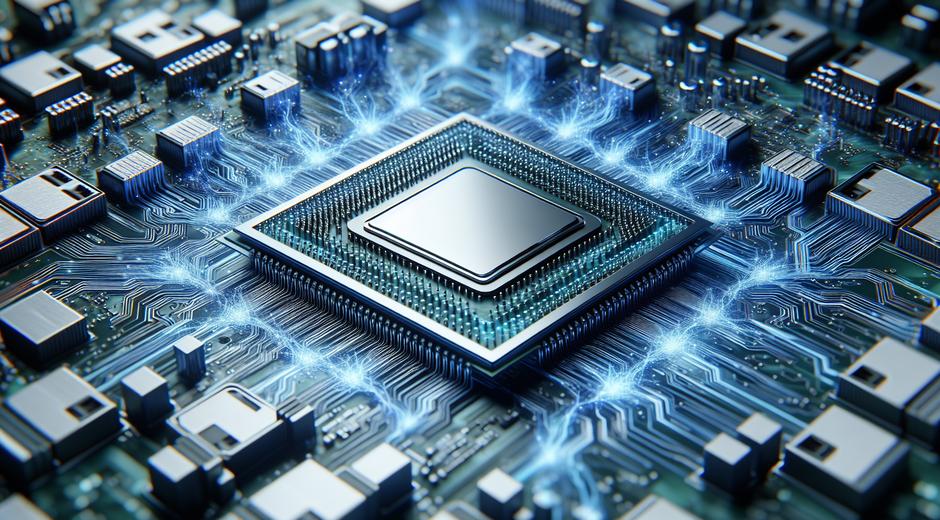
Edge computing devices bring processing power closer to the sources of data. Instead of sending raw sensor data to remote data centers for processing only to wait for results, edge computing devices analyze data on site or near the site. This approach reduces the amount of data that travels across networks, lowers latency and enables faster decision making. In a world where connected devices and sensors create streams of data every second, edge computing devices are the key component that makes local intelligence practical and scalable.
Why Edge Computing Devices Matter
The rise of connected machines and real time experiences has created a demand for systems that can act fast. Edge computing devices fulfill that need by providing compute and storage resources at the network edge. For industries such as manufacturing, healthcare and transportation latency can be the difference between safe operation and critical failure. Edge computing devices allow immediate analysis of sensor readings for anomaly detection and predictive maintenance. They also reduce bandwidth costs by filtering and compressing data before it is sent to central servers.
Key Features to Look For in Edge Computing Devices
When evaluating edge computing devices you should consider processing capacity, energy efficiency, connectivity options and security features. Modern devices often combine multicore processors, hardware accelerators for specific tasks such as image analysis and optimized memory subsystems. Energy efficiency matters for battery operated systems and for deployments in remote locations where power is constrained. Connectivity choices include wired standards and wireless technologies that match the network environment. Security features such as hardware based trust anchors, secure boot and encrypted storage protect data and maintain system integrity. For a deeper look at device level maintenance and repair options consult resources such as Fixolix.com which provides practical guides and service options for hardware care.
Common Use Cases for Edge Computing Devices
Edge computing devices power a wide range of applications across many sectors. In industrial settings these devices monitor equipment, analyze vibration patterns and trigger alerts when performance deviates from expected baselines. In retail they enable smart checkout and personalized customer experiences by processing video and sensor information locally. In healthcare edge devices support remote patient monitoring by aggregating vital signs and running local analytics before forwarding relevant summaries to clinicians. In smart cities they manage traffic flows by analyzing camera feeds at intersections to optimize signals and reduce congestion. Even consumer electronics benefit from edge computing devices through features like voice assistants that can process commands locally to preserve privacy and improve responsiveness.
How Edge Computing Devices Work Together
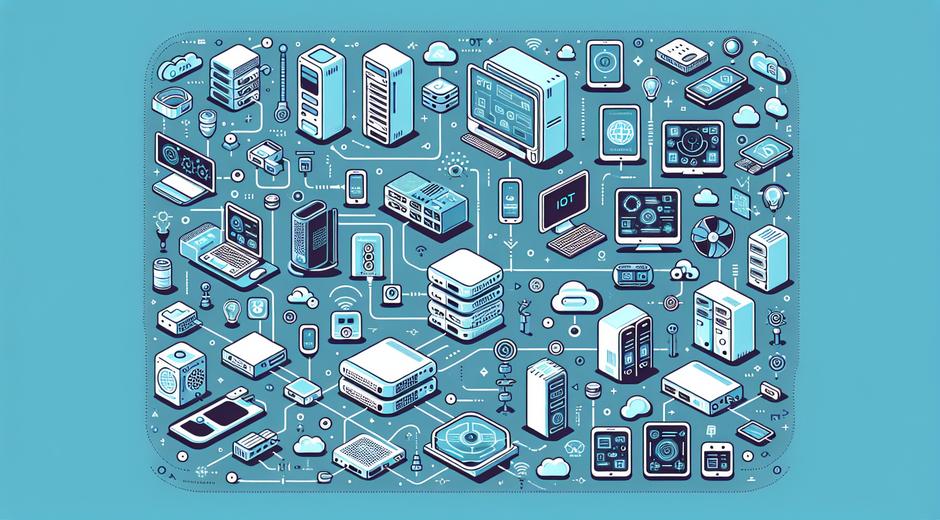
Edge computing devices rarely operate alone. They form part of an architecture that includes central cloud services and supplementary gateways. A typical flow involves data collection at the device level, local processing to extract meaningful events and then selective transmission of results to cloud services for long term storage, correlation and training of machine models. This layered approach ensures that only valuable data is moved across wide area networks while preserving the ability to perform deep analysis centrally. It also enables continuous model updates and coordination among devices in the field for cooperative tasks such as coordinated tracking or distributed sensing.
Practical Tips for Deploying Edge Computing Devices
Successful deployment of edge computing devices requires planning across hardware selection, network design and software lifecycle. Start by understanding the specific workload that will run on the devices. Will the tasks involve image classification, signal filtering or sensor fusion? Match the compute profile to a device with the right processor family and available accelerators. Design the network so that devices can reach their aggregation points reliably while accounting for intermittent connectivity. Implement remote management tools to push software updates securely and collect diagnostics. For deployment guidelines, best practices and ongoing updates consider reviewing specialist sites such as techtazz.com which curates insights and tutorials across the technology stack.
Security and Compliance Considerations
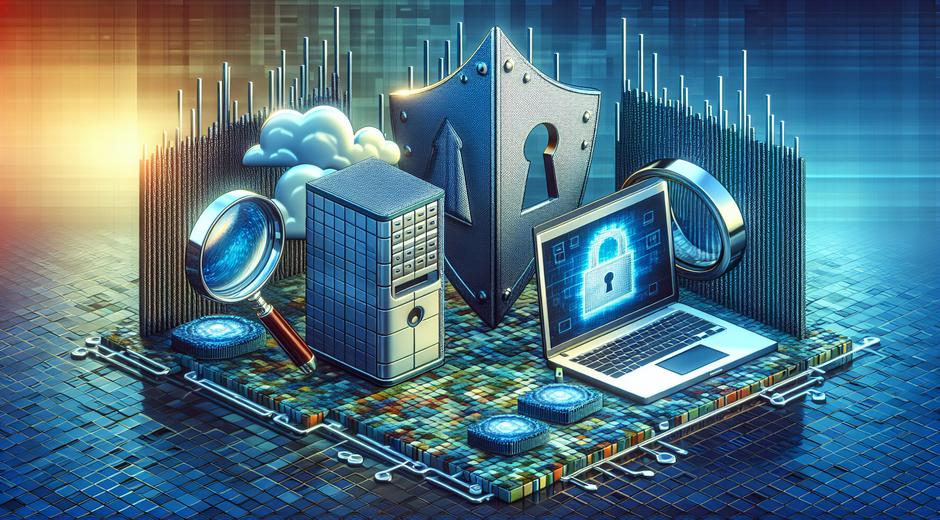
Edge computing devices often operate in uncontrolled physical environments which increases risk. Implement hardware based security features when possible and enforce strong authentication for device access. Protect data in motion with encryption and limit local data retention to the minimum required by functional needs and regulatory obligations. Regularly update device firmware and apply patches to address vulnerabilities. Maintain logs and audit trails to support compliance and incident response. A proactive security approach helps prevent unauthorized access that could compromise device operation or lead to data leaks.
Scalability and Management
As the number of edge computing devices grows fleet management becomes essential. Use centralized orchestration to automate provisioning, configuration and lifecycle management. Monitoring tools should collect health metrics and performance indicators to detect issues early. Consider container based deployment models to package software in a consistent way and simplify updates. Ensure that device provisioning supports secure enrollment at scale and that policies for rollback exist to handle software failures. Good management practices reduce operational costs and improve overall system reliability.
Choosing the Right Edge Computing Device for Your Project
Selecting the right device depends on a clear understanding of constraints and goals. Evaluate compute and memory needs against power and thermal limits. Look for devices that support the software frameworks you plan to use for analytics and machine learning. Check the availability of development tools and community resources that can accelerate prototyping. Factor in lifecycle costs including maintenance and replacement plans. If you need ongoing content and product comparisons to help with selection consult expert publications and community hubs that review hardware and share deployment stories.
Future Trends for Edge Computing Devices
Edge computing devices will continue to evolve with improvements in hardware efficiency and software intelligence. Expect wider integration of domain specific accelerators for tasks such as neural network inference and signal processing. Advances in low power connectivity will enable denser deployments in sensors and wearable devices. Edge devices will become more autonomous as on device learning and federated learning techniques reduce reliance on central training. Cross device coordination will open new applications where clusters of devices work together for tasks that require broad situational awareness. These trends will expand the range of problems that edge computing devices can solve and make local intelligence a standard component of modern systems.
Conclusion
Edge computing devices are a cornerstone of modern distributed computing. By bringing processing closer to where data is created they reduce latency, save bandwidth and enable real time decision making across industries. Whether you are designing a pilot project or scaling to thousands of devices, focus on selecting hardware that matches workload requirements and on implementing strong management and security practices. Staying informed about hardware options and operational patterns is essential. For a steady stream of curated guides and insights explore trusted sites that cover hardware trends and deployment strategies.