

Smart Devices: The Complete Guide to Connected Living
Smart Devices are transforming how we live work and play. From voice enabled speakers that manage home tasks to wearables that monitor health metrics these connected tools are reshaping daily routines and business operations. This guide explores what Smart Devices are how they connect what benefits they bring the risks to consider and how to choose the best models for your needs.
What Are Smart Devices and Why They Matter
Smart Devices are electronic products that connect to a network and can be monitored controlled or programmed remotely. They often include sensors processors and software that allow them to collect data and interact with users or other devices. The appeal of Smart Devices lies in automation convenience and personalization. For many households the ability to control lighting heating security and entertainment from a single app or voice command is life changing.
Businesses are also deploying Smart Devices to improve efficiency track assets and gather insights that drive better decisions. As the cost of sensors and connectivity falls more industries are finding practical uses for these devices from retail to healthcare and city infrastructure.
Core Components of Smart Devices
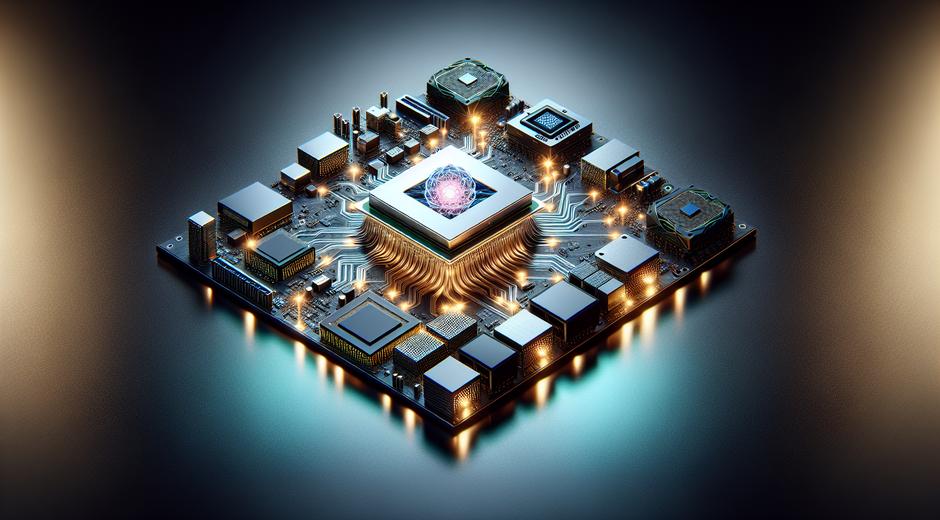
Most Smart Devices share several common components. A sensor or input collects information such as temperature motion or heart rate. A processor analyzes that information and runs software that decides what action to take. A network interface provides a way to send and receive data. Finally a user interface lets people interact with the device often through an app voice or simple controls. Together these parts enable features that feel intuitive and useful.
How Smart Devices Connect
Connectivity is essential to the Smart Device experience. Common network options include WiFi Bluetooth ZigBee and cellular networks. Many devices use local connections for quick interaction while relying on cloud services for advanced features and data storage. The choice of connection affects battery life speed and privacy. For example a camera that streams video non stop will need reliable high bandwidth while a sensor that sends periodic updates can use much less power.
Top Categories of Smart Devices
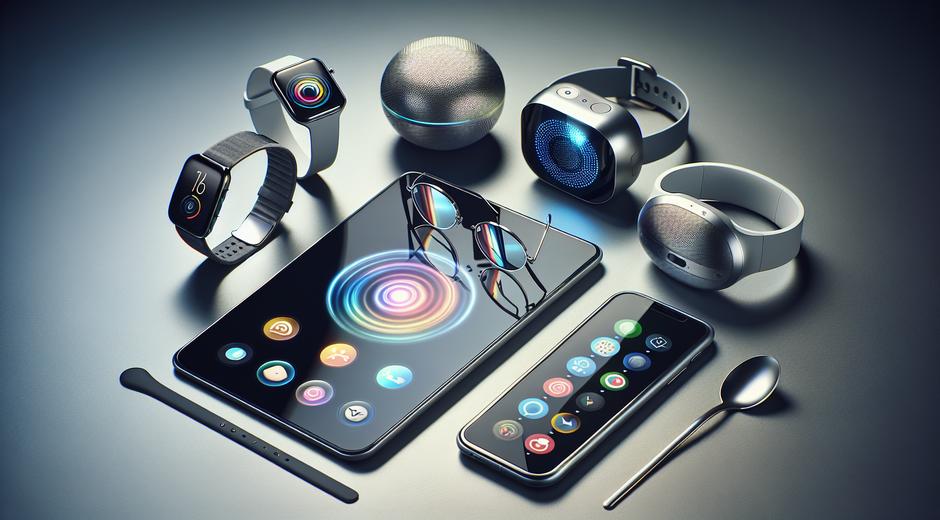
Smart Devices cover many categories. Smart home products include thermostats cameras door locks lights and voice assistants. Wearable devices track steps sleep heart rate and other health markers. Smart kitchen gear such as connected coffee makers and ovens add convenience. In the office Smart Devices include meeting room sensors smart lighting and asset trackers. Each category solves different problems but all aim to make tasks easier efficient or safer.
Benefits of Using Smart Devices
Smart Devices deliver clear benefits. They save time by automating routines and reduce energy use through optimized schedules. Health focused devices provide continuous monitoring that can lead to earlier intervention and improved outcomes. For businesses Smart Devices support predictive maintenance reduce waste and improve customer experiences. The data produced by these devices also unlocks insights that were previously costly or impossible to obtain.
Privacy and Security Considerations
While Smart Devices offer many advantages they also raise privacy and security concerns. Devices that collect audio video or personal health information must be configured carefully. Use strong unique passwords keep firmware updated and avoid default settings that expose services to the public internet. Review vendor policies to understand how data is stored and shared. Segmenting your home network can limit exposure by keeping Smart Devices separate from sensitive systems such as computers used for finance.
Practical Tips for Choosing Smart Devices
Selecting Smart Devices requires balancing features compatibility and long term support. Look for products that use open standards or popular platforms so you can mix devices from different brands. Verify how the device will receive updates and how long the manufacturer promises support. Consider battery life and local control options if you want functionality without constant cloud dependence. For product insights and independent reviews visit techtazz.com for comparison guides and buying advice.
Integrating Smart Devices in Your Home or Office
Start small and expand when you find reliable systems. A single well chosen device can show the value of a connected approach before you invest in a full ecosystem. For example a smart plug plus a voice assistant can provide automation and routines that feel immediately useful. Document device names passwords and network details to avoid confusion later. Regularly review permissions that apps request and remove access for services you no longer use.
Accessibility and Usability
Smart Devices can improve accessibility for people with mobility or sensory challenges. Voice control automation and remote monitoring help people live more independently. When choosing devices consider how easy they are to set up and how intuitive the user interface is. Look for clear documentation responsive support and active user communities that can offer tips and workarounds.
Future Trends in Smart Device Technology
The next wave of Smart Devices will focus on improved intelligence better battery technology and richer integration with services. Edge computing will enable devices to process more data locally improving speed and privacy. Advances in sensors will expand health monitoring capabilities and new materials will make devices smaller and more durable. Expect to see more vertical solutions tailored to specific industries such as elder care agriculture and logistics.
Sustainability and Lifecycle Management
As adoption grows so does the importance of sustainable design. Choose devices that support repair upgrades and recycling. Vendors that publish energy use metrics and repair guides show a commitment to long term value. Consider device lifecycles when planning purchases to avoid frequent replacement and unnecessary electronic waste.
How to Get the Most from Your Smart Devices
To maximize value create routines that automate common tasks set up alerts for important events and combine devices to achieve new outcomes. For instance linking a sensor to lighting can improve safety and comfort. Regularly review automation rules and device settings to refine performance. When shopping for lifestyle accessories that complement Smart Devices check reputable partner stores and curated collections like those found at BeautyUpNest.com to find quality options that match your aesthetic and needs.
Final Thoughts on Smart Devices
Smart Devices offer a powerful path to more efficient convenient and connected living. With thoughtful selection responsible configuration and attention to privacy these tools can deliver meaningful benefits at home and at work. Keep learning about best practices and new developments to ensure your investments stay useful and secure. As the ecosystem matures your Smart Devices can become trusted partners that simplify tasks provide insights and enhance everyday life.