Technology has given us access to everything — information, entertainment, communication — but it has also taken something away: silence, focus, and clarity. Notifications, updates, and endless scrolling have turned convenience into constant distraction. In 2025, a growing number of people are rediscovering balance through a lifestyle philosophy known as Digital Minimalism.
Digital Minimalism is not about rejecting technology, but about using it more intentionally. It’s about choosing quality over quantity in the digital tools we use and the time we spend online. As life becomes more connected, digital simplicity has become the new form of luxury.
1. What Is Digital Minimalism?
At its core, Digital Minimalism is a mindset that encourages deliberate use of technology. It’s about optimizing digital habits so they serve your goals instead of consuming your attention.
The idea gained momentum as professionals realized that having dozens of apps, devices, and online accounts was not making them more productive — it was making them scattered. Digital Minimalism focuses on reducing this noise by removing unnecessary tools, cutting screen time, and strengthening focus on meaningful work.
This philosophy isn’t about avoiding tech; it’s about regaining control over it.
2. Why It Matters in 2025
We live in a world where being online is unavoidable. Work, communication, and even relaxation now happen through screens. But constant exposure comes with mental and physical costs: fatigue, reduced creativity, and digital anxiety.
In 2025, Digital Minimalism matters more than ever because technology has reached total immersion. Artificial intelligence, augmented reality, and smart devices surround us 24/7. Without boundaries, digital overload can quietly drain motivation and attention.
Adopting minimalism allows people to stay efficient while protecting their mental well-being — a balance increasingly valued in both personal and professional environments.
3. Signs You Need Digital Minimalism
You might not notice digital overload until it starts affecting your focus or energy. Common signs include:
Checking your phone dozens of times per hour.
Feeling restless when disconnected.
Having hundreds of unread notifications.
Starting tasks but constantly switching apps or tabs.
Struggling to remember what you did online at the end of the day.
If any of these sound familiar, your tech use is managing you instead of the other way around. Digital Minimalism offers a practical path back to focus and clarity.
4. The Core Principles of Digital Minimalism
Practicing Digital Minimalism involves three main principles:
Intentionality: Use technology with purpose, not by default.
Simplicity: Keep only what adds value to your goals or happiness.
Boundaries: Limit how, when, and why you engage with digital tools.
These principles transform your relationship with technology from reactive to mindful. Every app, device, and online interaction should earn its place in your daily routine.
5. Simplifying Your Digital Space
A cluttered desktop, overloaded inbox, and endless notifications create invisible mental weight. Simplifying starts with small steps:
Unsubscribe from newsletters you never read.
Delete unused apps and redundant files.
Organize your folders and bookmarks logically.
Turn off nonessential notifications.
When you open your device and see only what matters, your focus sharpens instantly. Clean digital spaces feel as refreshing as tidy physical ones.
For more on optimizing digital workflows and creating clutter-free systems, you can read productivity insights on Techtazz’s Guides section, where we frequently share expert advice on designing sustainable, minimal tech habits.
6. Choosing Fewer, Better Tools
Minimalism isn’t about having less for the sake of it — it’s about having better. Most professionals use far too many overlapping tools for messaging, project management, and storage.
Instead, identify which apps provide real value. Choose one reliable communication platform, one task manager, and one cloud storage provider. Avoid constant app-switching, which fractures focus and wastes time.
The best Digital Minimalism setups are simple, consistent, and scalable.
7. Decluttering Your Attention
Information overload is one of the biggest threats to focus. The average person now consumes the equivalent of 174 newspapers’ worth of data daily. Digital Minimalism helps you reclaim attention by filtering inputs consciously.
Start by curating your news sources. Follow only publications that offer genuine insight, such as Wired or The Verge, instead of mindlessly scrolling through social media feeds.
Curiosity is powerful, but it should be guided, not scattered.
8. The Role of AI in Minimalism
Ironically, artificial intelligence — often blamed for digital noise — can actually help sustain Digital Minimalism when used wisely.
AI assistants now filter emails, summarize messages, and prioritize tasks automatically. Instead of spending hours managing digital clutter, users can rely on smart systems to streamline information flow.
As covered in recent Techtazz reports on emerging software tools, using automation consciously allows technology to handle complexity while you stay focused on meaningful creation.
9. Mindful Communication
Constant connectivity has blurred the boundaries between work and rest. Digital Minimalism encourages intentional communication — choosing when and how to engage rather than responding instantly to every alert.
Set specific hours for messages and calls. Disable push notifications for social platforms. Replace instant chats with scheduled check-ins or concise daily updates.
This structured approach restores mental space and prevents burnout without reducing collaboration quality.
10. Reclaiming Time with Automation
Time is the rarest modern currency. Digital Minimalism doesn’t reject technology — it uses automation strategically to protect time.
Use tools that handle scheduling, email sorting, and task reminders automatically. For example, integrating productivity software covered by Techtazz can eliminate unnecessary manual effort.
The key is to let automation work in the background, quietly simplifying routines rather than adding complexity.
11. The Digital Detox Myth
Many people think that a “digital detox” — disconnecting for a weekend or vacation — solves the problem. While short breaks help, Digital Minimalism is about permanent balance, not temporary escape.
The goal isn’t to quit technology but to reshape it into a supportive ally. True minimalism comes from consistent, small adjustments that make your digital habits sustainable long term.
12. Designing a Minimalist Workspace
Your environment affects your mindset. A minimalist digital workspace begins with a minimalist physical one.
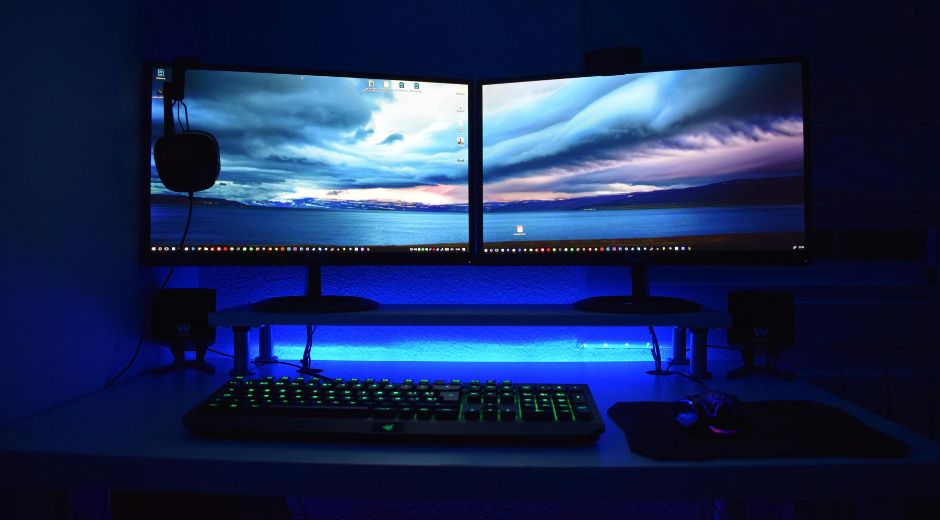
Keep only essential devices on your desk. Use neutral backgrounds, minimal icons, and calming lighting. The less clutter you see, the more clarity you feel.
Ergonomic setups and clean cable management also enhance focus and calm — turning your tech space into a sanctuary rather than a battlefield of distractions.
13. The Benefits of Digital Minimalism
People who practice Digital Minimalism often report major improvements in well-being and performance.
Better Focus: Less distraction equals deeper concentration.
Improved Creativity: Silence sparks imagination.
Lower Stress: Fewer alerts reduce cognitive fatigue.
More Time: Reclaiming minutes lost to aimless scrolling adds hours back into your day.
Enhanced Relationships: Being fully present improves personal and professional interactions.
These changes build momentum, creating a positive cycle of clarity and control.
14. Balancing Work and Life
Work-life balance doesn’t mean separation — it means control. Digital Minimalism encourages defining when work begins and ends digitally.
Turn off email access outside working hours. Avoid mixing personal and professional accounts. Use focus modes that mute work notifications during downtime.
This deliberate compartmentalization prevents burnout and keeps boundaries clear in an increasingly connected world.
15. Digital Minimalism for Teams
While minimalism often begins individually, entire organizations now embrace it to improve culture and efficiency.
Simplifying communication channels, reducing redundant meetings, and streamlining project tools can dramatically enhance team performance.
At Techtazz, we’ve covered case studies of companies implementing minimalist digital policies — resulting in sharper decision-making, happier employees, and more consistent output.
16. Minimalism and Sustainability
Fewer devices and apps mean less digital waste. Digital Minimalism indirectly supports environmental sustainability by reducing data storage needs and energy consumption.
Cloud providers now highlight eco-efficient systems, while individuals who declutter digital files contribute to lowering server loads. Small actions at scale can significantly reduce technology’s environmental footprint.
17. Overcoming FOMO
Fear of missing out (FOMO) drives much of our unhealthy digital behavior. Digital Minimalism teaches trust — the belief that you don’t need to consume everything to stay informed.
Curate content sources. Schedule intentional catch-ups instead of endless browsing. Real value lies not in quantity of information but in depth of understanding.
18. Creating a Personal Digital Code
To practice Digital Minimalism, create a set of personal rules for digital behavior. For instance:
I only check social media twice a day.
I delete apps that don’t serve a purpose.
I spend one hour offline before bed.
I never multitask on more than two screens.
Simple, repeatable guidelines build lasting discipline and mental clarity.
19. Digital Minimalism and the Future
In 2025 and beyond, Digital Minimalism will evolve from a niche movement into a mainstream necessity. As technologies like augmented reality and neural interfaces expand, managing digital input consciously will become essential.
Future minimalists will not just curate screens — they’ll curate entire digital experiences, choosing which layers of augmented data they allow into their perception.
20. Final Thoughts
Technology should serve people, not the other way around. Digital Minimalism offers a framework for reclaiming control, peace, and focus in a world of constant connectivity.
It’s not about rejecting progress but about redefining how we engage with it. By intentionally selecting the tools that matter most, individuals and teams can rediscover productivity without the chaos of digital clutter.
To explore more practical guides and expert insights on how to design your ideal minimalist tech ecosystem, visit StudySkillUP where Techtazz’s editorial team curates daily strategies for balanced, mindful technology use.