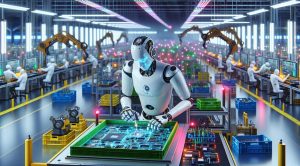
Modern life moves faster than ever, and technology continues to evolve to keep pace. From managing emails to analyzing data and scheduling meetings, businesses and individuals are relying more on Automation Tools to streamline their daily operations. In 2025, automation is no longer a luxury for large corporations — it’s an essential ingredient for success at every level of work.
What makes Automation Tools so transformative is their ability to handle repetitive tasks, integrate across systems, and empower users to focus on creativity, problem-solving, and strategy rather than routine management. The result is a world where efficiency and innovation coexist more seamlessly than ever before.
1. What Are Automation Tools?
At their core, Automation Tools are software programs that perform tasks automatically once certain conditions are met. They can send notifications, generate reports, assign tasks, manage data, or even execute full-scale workflows across departments.
This technology uses a combination of rule-based logic, artificial intelligence, and machine learning to execute actions without direct human input. Whether it’s a marketing campaign or a warehouse management system, automation eliminates the need for constant manual attention.
Today’s Automation Tools range from simple time-savers like auto-responders to complex enterprise systems that coordinate logistics, human resources, and customer service simultaneously.
2. The Growth of Automation in 2025
The rise of Automation Tools in 2025 mirrors a global trend toward digital transformation. As companies adopt hybrid and remote work models, automation bridges the gaps between dispersed teams and fragmented systems.
Research published by Harvard Business Review notes that nearly 80% of organizations have integrated automation into at least one major business process. From finance to healthcare, the pressure to stay competitive has made automation a top investment priority.
For individuals, personal automation has become just as important. From smart assistants managing daily schedules to AI tools handling personal finances, the digital world has become a collaborative partner in human productivity.
3. How Automation Tools Work
The principle behind Automation Tools is simple but powerful. A system observes a trigger — an event, an input, or a condition — and responds automatically with a defined action.
For example, when a customer submits a contact form on a website, the automation tool can immediately send a confirmation email, notify the sales team, and add the lead to a CRM database.
By connecting different platforms and APIs, these tools allow smooth communication between applications that otherwise operate in silos. The result is consistent, accurate, and rapid execution of workflows.
4. Common Uses Across Industries
Automation is no longer confined to IT departments or data centers. It’s present everywhere — from startups to global enterprises. Some of the most common use cases for Automation Tools include:
Marketing: Scheduling posts, managing email campaigns, and tracking analytics.
Finance: Generating invoices, reconciling transactions, and forecasting budgets.
Customer Support: Chatbots and automated response systems providing 24/7 service.
Human Resources: Screening job applications, scheduling interviews, and managing payroll.
Manufacturing: Monitoring machinery and optimizing production lines.
Education: Tracking attendance, grading assignments, and sending notifications.
At Techtazz’s Software & Apps section, you can find examples of how businesses use these systems to reduce costs and improve productivity in real-world scenarios.
5. The Benefits of Automation
The appeal of Automation Tools lies in their measurable benefits:
Time Savings: Repetitive tasks are completed instantly, freeing up valuable time.
Error Reduction: Machines eliminate human mistakes caused by fatigue or oversight.
Scalability: Workflows expand easily as operations grow, without requiring additional manpower.
Consistency: Every task follows the same standards, ensuring predictable results.
Cost Efficiency: Automation reduces labor costs and improves resource allocation.
Organizations using automation report increases in overall productivity of up to 30%, according to recent findings highlighted in Forbes’ technology insights on enterprise innovation.
6. The Role of AI and Machine Learning
Artificial intelligence and machine learning have turned Automation Tools from reactive systems into predictive engines.
Traditional automation responded to commands, but AI-based automation anticipates needs. For instance, software can now predict the best time to send marketing emails, recommend the next steps for a project, or automatically adjust workflows based on data patterns.
This shift from rule-based logic to adaptive intelligence has expanded automation’s reach into creative and decision-making roles once thought impossible to mechanize.
7. Low-Code and No-Code Revolution
One of the most remarkable developments in Automation Tools is accessibility. You no longer need to be a programmer to automate tasks.
Low-code and no-code platforms like Zapier, Make (formerly Integromat), and Microsoft Power Automate allow users to create customized workflows through simple drag-and-drop interfaces.
This democratization of automation means anyone — from small business owners to freelancers — can build sophisticated processes that rival enterprise-level efficiency. The future of productivity is now in the hands of the everyday user.
8. Cloud Integration and Unified Workflows
Cloud computing has made Automation Tools more powerful and flexible than ever. Integrating cloud platforms enables synchronization across applications in real time.
For instance, when a document is edited in Google Workspace, it can automatically update connected databases, alert teams in Slack, and create follow-up tasks in Trello.
This seamless integration reduces the need for manual coordination and enhances team collaboration across different digital ecosystems.
9. How Automation Enhances Creativity
Contrary to the fear that automation kills creativity, it often amplifies it. By removing repetitive work, Automation Tools free creative professionals to focus on ideation and problem-solving.
Writers can automate research and outline generation, designers can auto-organize assets, and marketers can focus on storytelling while campaigns run automatically in the background.
Automation acts as an invisible partner, managing routine tasks so human creativity can flourish without constant interruption.
10. The Economic Impact of Automation
The economic effects of automation reach far beyond individual companies. Studies estimate that Automation Tools could add up to $15 trillion to the global economy by 2030.
Efficiency gains, reduced waste, and accelerated innovation create ripple effects across sectors. Small businesses in particular benefit, as affordable cloud automation levels the playing field against larger competitors.
Techtazz frequently explores these market dynamics, analyzing how new tools shift power structures within industries and reshape traditional business models.
11. Security and Compliance
With increased automation comes increased responsibility. Automation Tools handle sensitive data, meaning that security and compliance must remain top priorities.
Modern platforms now include built-in encryption, audit trails, and permission controls. Automated workflows can also help ensure regulatory compliance by monitoring activities and generating reports for authorities.
This evolution toward “secure-by-design” automation ensures progress without compromising trust.
12. Personal Automation: Everyday Efficiency
Automation isn’t just for businesses. Everyday users rely on Automation Tools to manage personal lives more efficiently.
Examples include scheduling calendar events automatically, controlling smart home devices, or using virtual assistants like Siri and Alexa to perform daily routines.
Apps like IFTTT and Tasker give individuals the power to automate nearly anything — from adjusting lighting based on weather conditions to silencing phones during meetings.
This personal empowerment through automation defines the new age of digital convenience.
13. The Intersection of Automation and Sustainability
Efficiency isn’t just about productivity; it’s also about sustainability. Automation Tools optimize energy use, reduce waste, and manage logistics to minimize carbon footprints.
In manufacturing, automated systems track resource consumption and detect inefficiencies. In offices, smart energy controls turn off lights and equipment automatically when not in use.
As reported by The Guardian, automation in logistics and production is significantly contributing to global sustainability goals by reducing emissions and material waste.
14. Challenges of Automation
Despite its benefits, automation presents challenges that must be managed carefully.
Job displacement: Some roles become obsolete as machines take over repetitive work.
Complexity: Improper configuration can cause workflow errors or system failures.
Ethical questions: Deciding how much control to give machines is an ongoing debate.
However, history shows that every technological shift creates new opportunities, and automation is no exception. The key is adapting through reskilling and continuous learning.
15. The Role of Data in Automation
Data is the fuel of modern automation. The more accurate the data, the smarter the system becomes.
Automation Tools rely on clean, structured data to make reliable decisions. Poor data quality can lead to inefficiency or even costly mistakes.
This makes data governance — the process of maintaining quality, accuracy, and integrity — a vital aspect of any automation strategy.
16. Hybrid Workflows: Human + Machine Collaboration
The most successful companies don’t replace people with automation; they combine both strengths.
Humans bring judgment, empathy, and creativity, while machines provide speed, accuracy, and consistency. Together, they form hybrid workflows that maximize efficiency without sacrificing innovation.
Many modern workplaces now use AI co-pilots that assist in decision-making rather than replacing it. This partnership defines the future of intelligent collaboration.
17. Predictive Automation
A new trend in 2025 is predictive automation — where Automation Tools act before the user even issues a command.
For instance, customer service platforms anticipate queries and prepare answers before the user clicks “send.” In logistics, software predicts inventory needs before shortages occur.
These proactive systems use data forecasting and behavioral analysis to make operations smoother and more responsive.
18. The Future of Automation
Looking ahead, the next generation of Automation Tools will integrate natural language processing, emotion recognition, and contextual awareness.
Software will not only perform tasks but also understand purpose, adapting dynamically to changing conditions. Autonomous business ecosystems will emerge, where systems coordinate across departments with minimal supervision.
Automation is moving from assistance to orchestration — becoming the backbone of the intelligent enterprise.
19. The Human Side of Progress
Amid all the technological excitement, it’s essential to remember that automation’s ultimate goal is human progress.
The purpose of Automation Tools is not to replace effort but to enhance it — to let people focus on higher-order thinking, creativity, and well-being.
Companies that use automation ethically and strategically are finding a balance between efficiency and empathy, building organizations that thrive on innovation and inclusivity.
20. Final Thoughts
Automation defines the modern digital era. What once required teams of people and hours of manual work now happens instantly and flawlessly.
By merging artificial intelligence, machine learning, and intuitive design, Automation Tools are shaping a smarter, more efficient world.
For in-depth comparisons, tutorials, and insights into emerging platforms transforming digital productivity, you can explore StudySkillUP where Techtazz covers the most advanced software driving business evolution in 2025.