In the ever-evolving world of technology, few innovations have reshaped the digital landscape as profoundly as Edge Computing. As we enter 2025, this once-niche concept has moved from the periphery to the core of enterprise infrastructure, powering everything from autonomous vehicles to smart cities and real-time analytics. But what exactly makes Edge Computing so transformative, and why are industry leaders betting big on it?
What Is Edge Computing?
At its core, Edge Computing is the practice of processing data closer to where it’s generated — at the “edge” of the network — instead of sending it all the way to a centralized cloud server. By doing so, systems gain faster response times, reduced bandwidth usage, and better reliability.
For example, consider a self-driving car that needs to make split-second decisions. It cannot afford the latency of sending data to a remote cloud for analysis. With Edge Computing, the vehicle processes information directly through local nodes, ensuring safety and efficiency in real time.
Why Edge Computing Is Growing So Fast
There are three main forces driving the rise of Edge Computing in 2025:
The Explosion of IoT Devices
The Internet of Things (IoT) continues to expand rapidly, with billions of connected sensors and devices constantly generating data. Processing this data locally ensures speed, efficiency, and cost savings.
Latency Reduction
For applications like streaming, healthcare monitoring, and financial transactions, even milliseconds matter. Edge Computing reduces latency by keeping data closer to the user.
Bandwidth Efficiency
Sending large amounts of raw data to the cloud is expensive. Edge infrastructure minimizes this by handling data locally and only sending what’s necessary.
Real-World Applications of Edge Computing
Edge technology has moved far beyond theory and into practical use cases that touch almost every sector:
Smart Cities: Edge sensors manage traffic flow, energy grids, and public safety in real time.
Healthcare: Remote monitoring devices analyze patient data on-site, alerting doctors instantly.
Retail: Personalized recommendations are delivered to customers instantly as they shop.
Manufacturing: Predictive maintenance tools detect machine failures before they occur.
Entertainment: Streaming services now use edge nodes to reduce buffering and deliver content with minimal lag.
According to a detailed report by TechCrunch, global spending on Edge Computing is expected to surpass $300 billion by 2026, driven by widespread IoT adoption and the 5G rollout.
The Connection Between 5G and Edge Computing
5G networks and Edge Computing are a perfect match. 5G provides the speed, while Edge delivers low-latency processing power. Together, they enable new applications like immersive AR/VR experiences, connected logistics, and even drone coordination for emergency response.
As Edge Computing expands, its integration with 5G infrastructure will become a cornerstone of next-generation connectivity.
Challenges and Considerations
Despite its benefits, Edge Computing faces certain obstacles:
Security Concerns: With more nodes in the network, the potential attack surface grows.
Standardization: A lack of unified protocols slows adoption.
Data Management: Deciding what to process locally versus in the cloud remains complex.
Organizations are already working on hybrid frameworks that balance Edge Computing with cloud scalability, ensuring performance without sacrificing control.
Edge Computing in Everyday Life
Even if you’re not a tech professional, Edge Computing already impacts you. From your voice assistant to your smartwatch, devices are making faster decisions thanks to on-device data processing.
At Techtazz, we recently explored how microchips and compact processors are advancing this trend — you can read more on our Tech Trends section.
The Business Perspective
From startups to tech giants, companies are rethinking how they deliver services. Instead of centralizing everything in the cloud, they’re investing in distributed models. Amazon, Microsoft, and Google are each developing edge frameworks to enhance customer experiences.
The appeal is clear: Edge Computing reduces latency, cuts costs, and increases reliability — all essential factors in today’s hyperconnected world.
Edge Computing and Sustainability
A less-discussed but vital aspect of Edge Computing is sustainability. Processing data locally reduces the energy consumption associated with massive data centers. The result? Lower carbon emissions and more environmentally responsible infrastructure.
By moving toward localized processing, industries are not only improving performance but also reducing their ecological footprint.
What Comes Next
As the tech world races ahead, one thing is certain: Edge Computing is here to stay. With billions of connected devices and new 5G networks expanding globally, its potential is only beginning to unfold.
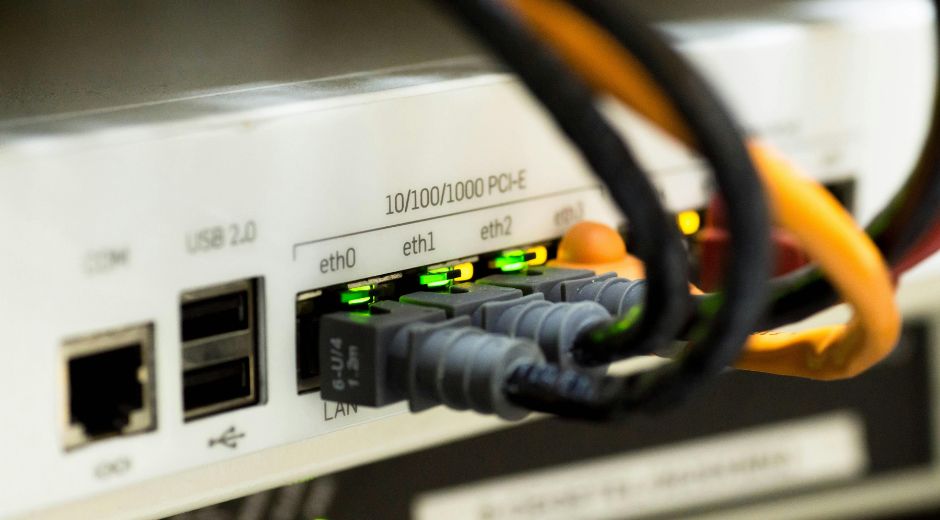
Experts predict that within the next few years, Edge nodes will become as common as routers in homes and offices. This will pave the way for smarter, more adaptive systems that anticipate our needs before we even realize them.
Final Thoughts
The true power of Edge Computing lies not only in speed or convenience but in its ability to redefine how humans and machines interact. By bringing data processing closer to where life happens, we’re witnessing the next phase of digital transformation — one that feels faster, more personal, and more sustainable.
If you want to explore more about how this technology is evolving and which companies are leading the way, you can check Fixolix for fresh updates on the most recent edge developments and industry collaborations.